Observations and field-based thinking from the Interface Environmental team in the West Kootenays.

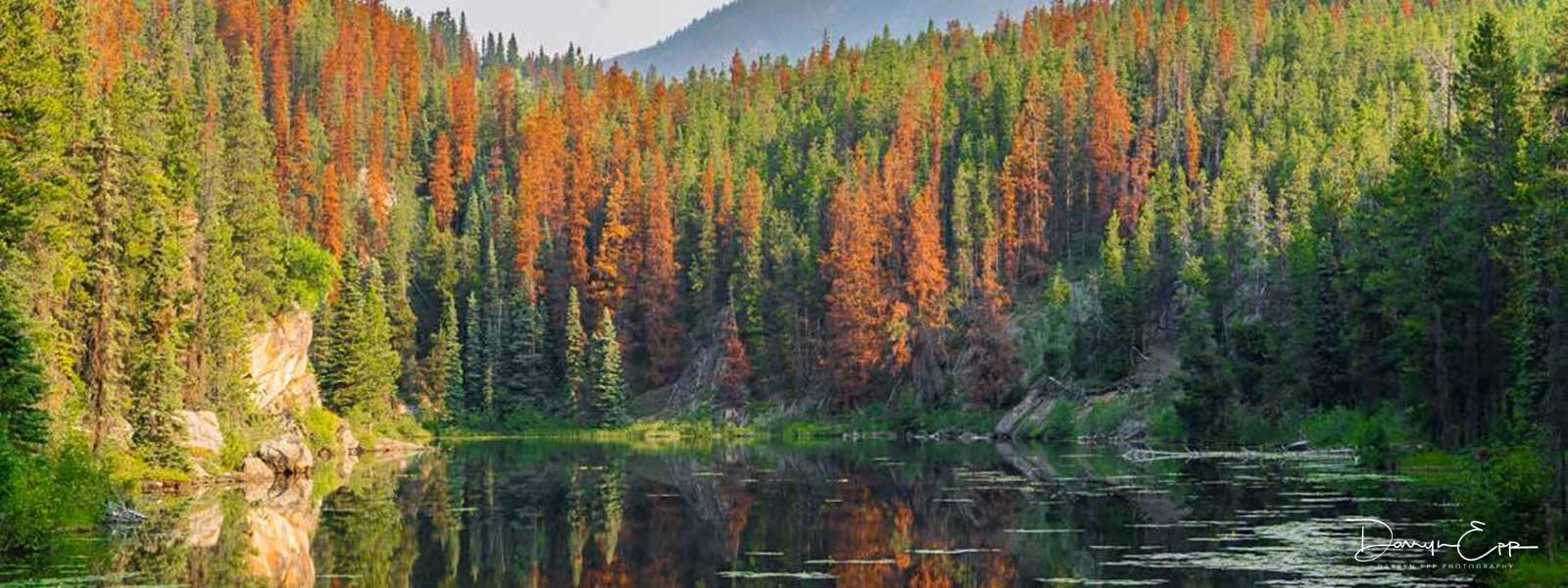
pine beetle killed trees on lake edge darryn epp photography

When the work matters beyond the contract

Most of our projects begin with a phone call, a scope of work, and a deadline. That’s the nature of environmental consulting. But occasionally a project comes along that sits a little differently – one where the science and the mission are genuinely aligned, and the work feels like exactly what you got into this field to do. The Pennask Habitat Enhancement Project is one of those. About the project The Pennask watershed sits in the Interior of British Columbia, northeast of Merritt in the Nicola Region — a landscape shaped by fire, forestry, and the kind of slow habitat degradation that rarely makes headlines but steadily erodes the conditions wildlife depend on. The project is centred on the Pennask and Penasq’t lake areas and
Read More »
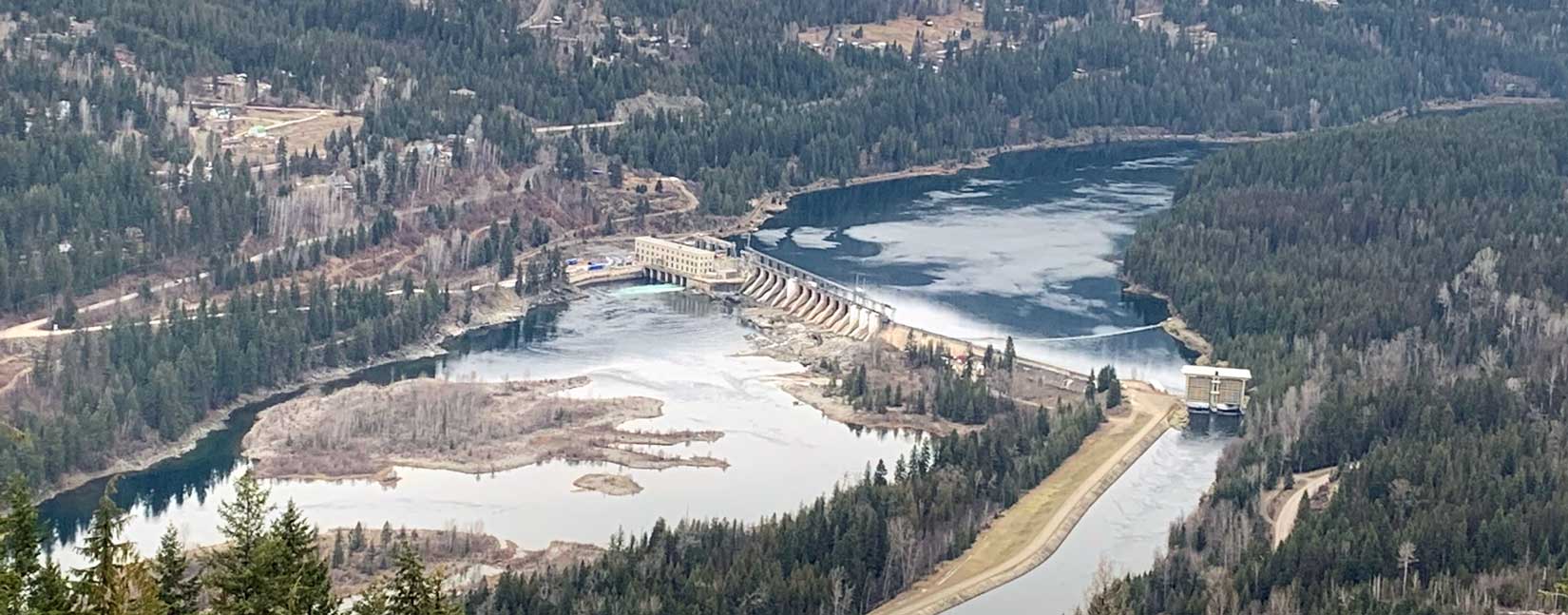
hydro dam in british columbia

Cumulative Effects

There’s a lot of talk in the environmental world about cumulative effects these days. But what are they, exactly? And why are they so important to Interface and the work we do? Cumulative effects are the combined impacts of all disturbance – big or small, natural or human-caused – on the land in a particular region or study area. Instead of zooming in on a single project, cumulative effects analyses take a broader approach: what is the state of the landscape if we account for all industrial projects, roads, trails, municipalities, forest harvest, forest fires, and insect outbreaks in our study area? A small development may seem insignificant on its own, but when combined with other industrial projects, urban development, roads, seismic lines, cutblocks, and

Read More »
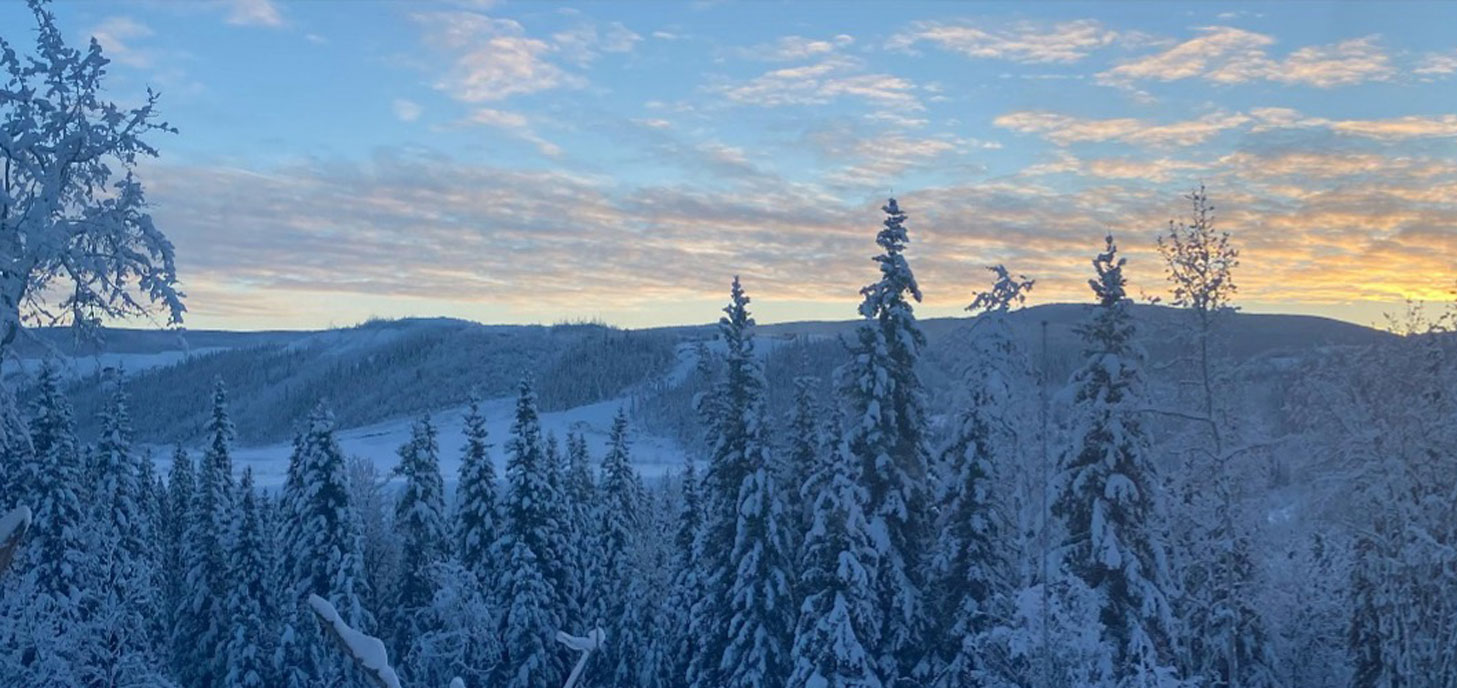
winter sunset near dawson city bc

Reflections from Remote Field Work in Dawson City

Stepping Outside the Comfort Zone Much of our work at Interface Environmental takes place behind the scenes – planning, reporting, coordinating, and navigating environmental challenges through technical expertise and collaboration. But, occasionally, opportunities arise that take us far beyond the office and into some of the most remote and demanding environments in Canada.  Recently, one of our team members had the opportunity to travel to Dawson City for two weeks of remote field work support. While the experience brought unique logistical and environmental challenges, it also offered valuable lessons about adaptability, resilience, and the importance of stepping outside your comfort zone.  Answering the Call to Go North  Sometimes professional growth begins with a simple question.  In this case, it was:  “Any chance you’d like to

Read More »
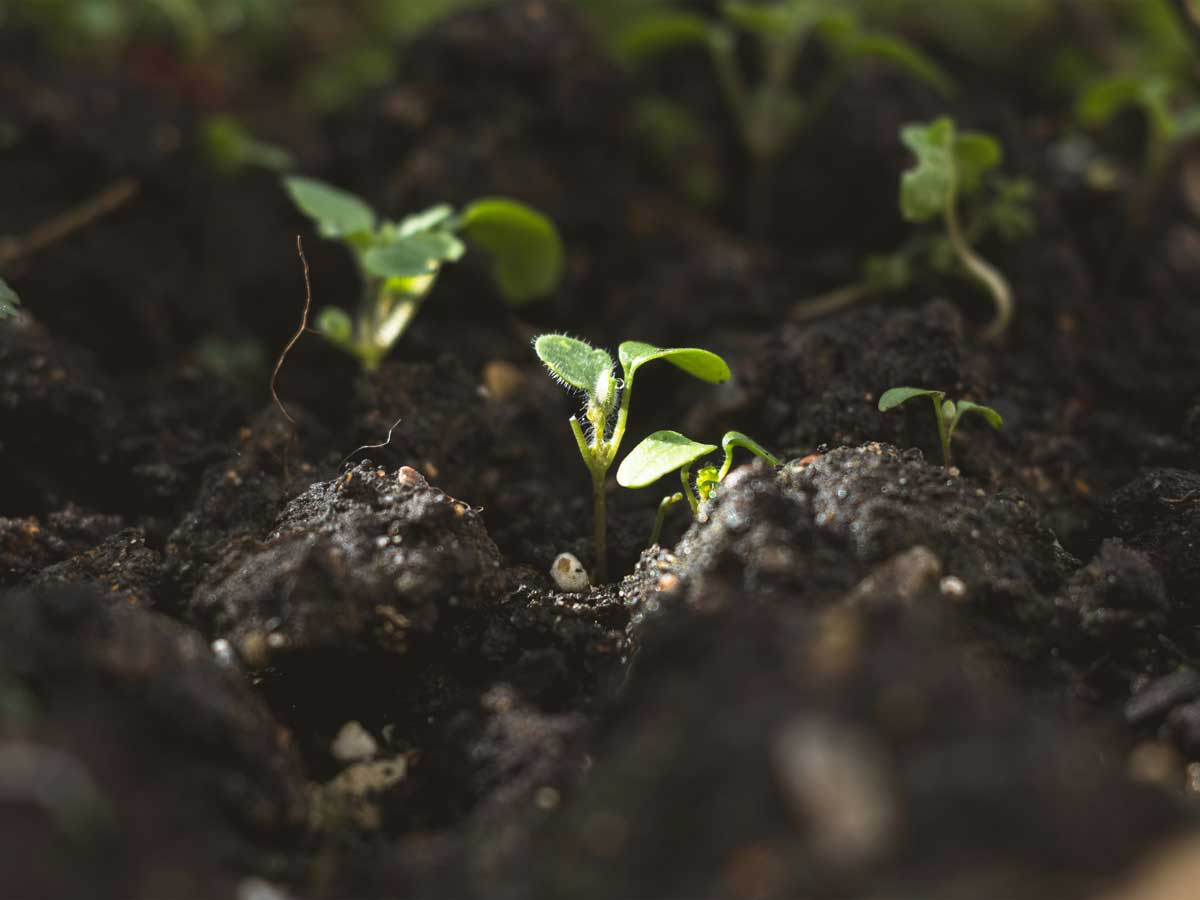
baby plants growing in soil

Building Better Soil: Compost and Mulch Explained

It’s springtime here in the Kootenays; seedlings are sprouting, the ground has thawed, and gardeners have risen from their winter slumber.  As a Technical Agrologist (fancy-speak for environmental scientist) and home gardener, I can’t help but think about my relationship to the land and the science behind what it is I’m doing, even in something as seemingly insignificant as my backyard. But any interaction with the land, small or large, has an impact, and I want mine to be a positive one. That’s why I love organic soil amendments like compost and mulch.  These two simple additions to your garden can work together to improve plant health, conserve water, reduce waste, and create more resilient landscapes.  About Compost Compost is made of decomposed organic material.

Read More »
nature-image-adam-kool-ndN00KmbJ1c-unsplash

Environmental Projects | Permitting

Behind the scenes of almost every large-scale project is something most people never see: The permitting process. Sounds exciting, doesn’t it? Despite the common perception that it’s just someone stamping “approved” on a piece of paper, there is actually a lot more to it. At its core, the permitting process is trying to answer some very important questions: “If we’re going to change the land, water, or air… are we doing it responsibly, and what are the total project effects — both positive and negative?” That answer can often take years of studies, redesigns, technical reviews, fieldwork, community discussions, Indigenous engagement, and a whole lot of people asking hard questions. The regulatory process is really a long-term planning conversation about land, water, air, people, and

Read More »
snow-on-creek-edge-rod-m-gqKfMa9c2yY-unsplash

Flooding, Late Storms, and Field Safety in Spring Conditions

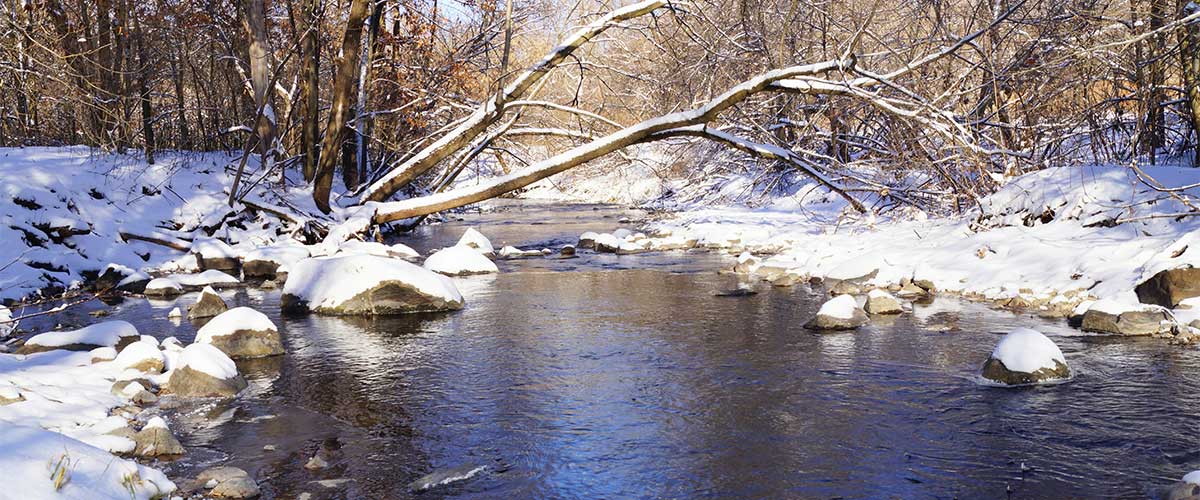
Spring in British Columbia and the North often feels unpredictable – because it is. One day may bring sunshine and melting snow, while the next brings freezing temperatures, heavy rain, or a late-season snowstorm. For those working or travelling in remote environments, April and early spring conditions can create some of the most dynamic and hazardous conditions of the year. At Interface Environmental, spring fieldwork means operating in conditions where winter and spring overlap. Snowmelt, rising water levels, unstable terrain, and rapidly changing access conditions all require careful planning, strong communication, and continuous reassessment in the field. These same risks also apply to recreationists, hunters, hikers, and anyone heading into the backcountry during spring transition season. Spring Conditions Can Change Rapidly April is often a

Read More »
Scroll to Top