Stepping Outside the Comfort Zone
Much of our work at Interface Environmental takes place behind the scenes – planning, reporting, coordinating, and navigating environmental challenges through technical expertise and collaboration. But, occasionally, opportunities arise that take us far beyond the office and into some of the most remote and demanding environments in Canada.
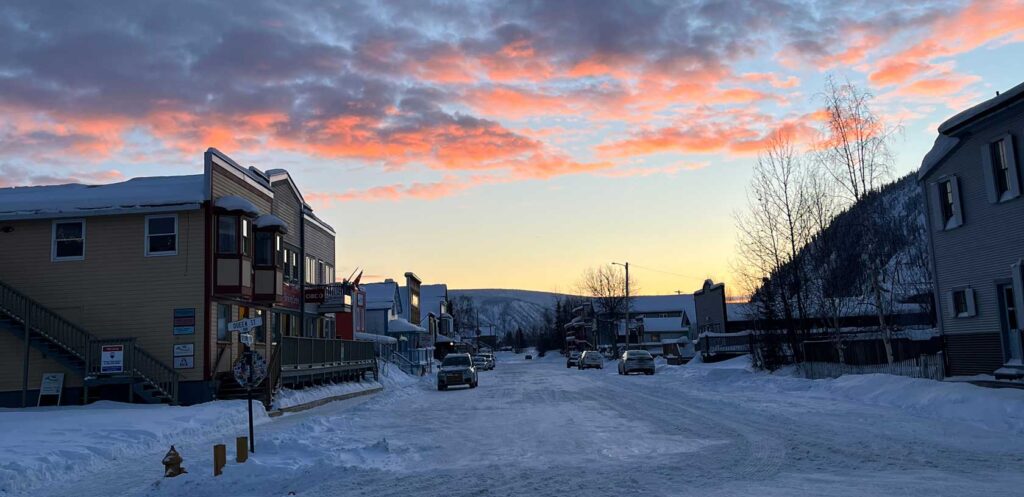
Recently, one of our team members had the opportunity to travel to Dawson City for two weeks of remote field work support. While the experience brought unique logistical and environmental challenges, it also offered valuable lessons about adaptability, resilience, and the importance of stepping outside your comfort zone.
Answering the Call to Go North
Sometimes professional growth begins with a simple question. In this case, it was:
“Any chance you’d like to go to Dawson for two weeks?”
The opportunity came unexpectedly, and the initial reaction was hesitation. Remote northern work environments can feel intimidating – especially when they involve travelling alone, working in unfamiliar conditions, and operating far outside normal routines.
However, opportunities like this are rare.
Much of environmental consulting involves computer-based and office-driven work, so the chance to gain hands-on field experience in a remote setting offered something different – an opportunity to better understand the realities of northern operations and experience a part of Canada that relatively few people ever see.
The north has a reputation for being both beautiful and demanding, and that combination is exactly what makes it such a valuable place to learn.
Understanding the Realities of Remote Work
Northern field work presents a very different set of environmental, logistical, and operational challenges compared to projects in southern regions.
From weather and terrain to travel logistics and limited resources, adaptability becomes essential.
Even travelling to Dawson from the West Kootenays can take nearly two full days. Once there, the remoteness becomes very real – limited services, limited supplies, and reduced connectivity all reinforce the importance of preparation, communication, and teamwork.
Working in remote environments also highlights how important strong field crews and positive site culture truly are. Despite difficult weather conditions and physically demanding work, the construction crews remained solution-oriented and resilient throughout the project. Watching teams adapt to changing conditions while maintaining a positive attitude was both impressive and humbling.
Experiences like these reinforce an important reality in environmental and construction work: nature dictates the pace – not us.
The Value of Adaptability in Environmental Work
One of the greatest lessons remote field work teaches is the importance of flexibility.
Conditions can change quickly, and even well-developed plans often need to adapt. Weather delays, shifting logistics, and changing site conditions are all part of the process.
Field work requires teams to problem-solve in real time, communicate effectively, and stay grounded under pressure.
This adaptability is one of the most valuable skills environmental professionals can develop. While technical knowledge is essential, successful field work also depends heavily on resilience, situational awareness, and the ability to respond calmly to the unexpected.
Remote work also provides perspective.
Being immersed in rugged landscapes and physically demanding conditions creates a greater appreciation for the environments we work in and the people who work in them every day.
Why Experiences Like This Matter
Environmental work is ultimately about understanding the relationship between people, infrastructure, and the land.
Remote field experiences help bridge the gap between technical planning and real-world application. They provide valuable insight into operation challenges, environmental conditions, and the importance of collaboration across disciplines.
They also create opportunities for personal growth.
Stepping outside familiar routines and embracing unfamiliar environments can build confidence, strengthen problem-solving skills, and reinforce the importance of trusting both your training and your instincts.
Advice for Those Interested in Remote Field Work
For anyone considering remote or northern work opportunities:
- Stay open to experiences that challenge you
- Invest in good gear and prioritize safety
- Be adaptable – conditions rarely go as planned
- Listen, learn, and ask questions from experienced crews and field staff
- Most importantly, don’t let discomfort prevent growth
Remote work can be unpredictable and demanding, but it also provides some of the most rewarding professional and personal experiences environmental work has to offer.