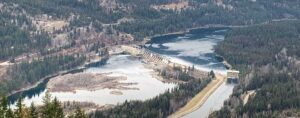
Spring in British Columbia and the North often feels unpredictable – because it is. One day may bring sunshine and melting snow, while the next brings freezing temperatures, heavy rain, or a late-season snowstorm. For those working or travelling in remote environments, April and early spring conditions can create some of the most dynamic and hazardous conditions of the year.
At Interface Environmental, spring fieldwork means operating in conditions where winter and spring overlap. Snowmelt, rising water levels, unstable terrain, and rapidly changing access conditions all require careful planning, strong communication, and continuous reassessment in the field.
These same risks also apply to recreationists, hunters, hikers, and anyone heading into the backcountry during spring transition season.
Spring Conditions Can Change Rapidly
April is often a month of extremes. Lower elevations may feel like spring, while higher elevations and northern regions can still experience full winter conditions.
Crews and backcountry users may encounter:
- Rain, snow, freezing temperatures, and sun within the same day
- Rapid snowpack melt increasing runoff and flooding potential
- Ice breakup on rivers and lakes
- Muddy, unstable, or washed-out roads
- Limited access and changing site conditions
Remote areas require ongoing situational awareness. Conditions that appeared stable a day earlier may become unsafe within hours following rain or sudden warming trends.

Driving and Access Conditions
Spring breakup can create extremely unpredictable road conditions, particularly on forestry roads, industrial access routes, and remote trails.
Freeze-thaw cycles and saturated ground can lead to:
- Muddy or unstable road surfaces
- Washouts and culvert failures
- Snow- and ice-covered sections in shaded or higher elevation areas
- Soft shoulders and reduced traction
Daily reassessment of travel routes is critical. Vehicles operating in remote environments should carry recovery equipment, emergency supplies, communication devices, and extra food and water in case conditions deteriorate unexpectedly.
For those recreating in the backcountry, it is equally important to share travel plans, expected return times, and route information before heading out.
Late-Season Storms Still Matter
One of the biggest misconceptions about spring is that winter hazards have passed. In reality, late-season snowstorms remain common throughout April, especially in northern BC and mountainous terrain.
These storms can bring:
- Sudden whiteout conditions
- Rapid temperature drops
- Heavy, wet snow accumulation
- Falling branches and hazardous travel conditions
Spring storms can become especially dangerous because people are often mentally shifting into “spring mode” while conditions temporarily return to full winter severity.

Cold Exposure and Hypothermia Risks
Cold exposure remains a serious concern throughout spring transition season, particularly when wet conditions and wind are involved.
Even during mild daytime temperatures, prolonged exposure to rain, snow, or wet clothing can quickly increase hypothermia risk.
Early warning signs may include:
- Shivering
- Fatigue
- Poor coordination
- Confusion or slowed decision-making
For both field crews and recreational users, layered clothing systems, waterproof outerwear, dry spare clothing, and emergency supplies remain essential throughout the season.
Safety Starts with Preparation
At Interface Environmental, safety planning is a core part of field operations year-round, but spring conditions demand an even higher level of preparation and awareness.
Before heading into remote areas, whether for work or recreation, it is important to:
- Check weather and road conditions carefully
- Establish communication and check-in plans
- Carry reliable emergency and first aid supplies
- Understand evacuation routes and access limitations
- Remain flexible and willing to reassess conditions
No task, destination, or schedule is worth compromising safety.
Spring field season is a reminder that conditions on the land can change quickly. Staying informed, communicating clearly, and prioritizing preparedness helps ensure everyone returns home safely.