
It’s springtime here in the Kootenays; seedlings are sprouting, the ground has thawed, and gardeners have risen from their winter slumber. As a Technical Agrologist (fancy-speak for environmental scientist) and home gardener, I can’t help but think about my relationship to the land and the science behind what it is I’m doing, even in something as seemingly insignificant as my backyard. But any interaction with the land, small or large, has an impact, and I want mine to be a positive one. That’s why I love organic soil amendments like compost and mulch. These two simple additions to your garden can work together to improve plant health, conserve water, reduce waste, and create more resilient landscapes.
About Compost
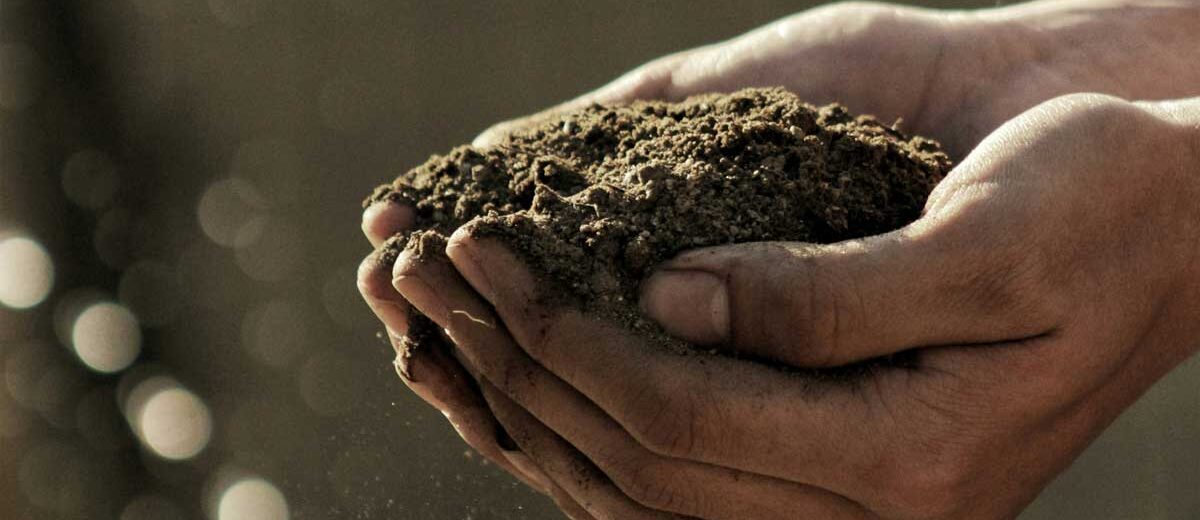
Compost is made of decomposed organic material. I source my inputs from yard waste and kitchen scraps. It’s a living microbial community and my favourite soil amendment. It provides the vitality and biological activity that soil needs. Here are a few key benefits:
- Compost improves soil structure by adding organic matter. The organic matter binds sandy soils to retain more moisture and loosens clay-rich soils to improve drainage.
- Composting creates a closed-loop system, where yard waste and food scraps are decomposed, transformed into nutrient-rich organic matter, and returned to the soil.
- Finally, nutrients in compost release gradually, reducing leaching and avoiding the feast-famine cycles of many synthetic fertilizers, building healthy soil over time.
About Mulch
In much of BC, the impacts of climate change are being felt more dramatically each summer, with drought, high temperatures, wildfires, and water restrictions always in the back of our minds. Here are a few ways mulch has helped protect my garden as weather patterns shift in our region:
- A 5–10 cm layer of mulch, such as wood chips, leaves, or straw, can significantly reduce evaporation, alleviate moisture stress on plants, and minimize watering requirements.
- Mulch protects soil from rain, runoff, and wind, keeping the nutrients and organic matter in the ground where plants need them.
- Finally, mulch moderates soil temperatures, keeping soil cooler on hot summer days and insulating roots in winter to protect them from frost.
Common Myths (and What’s Actually Going On)
“Compost stinks.”
Healthy compost should not produce an odour when the oxygen-loving microbes are given the right conditions. If your compost stinks, it is likely too wet, needs to be turned (aerated), or needs more brown material, such as wood chips, cardboard, or fallen leaves. I always add brown material on top of any green material* I add to minimize smell and provide the correct ratios of carbon and nitrogen.
*Green material includes things like veggie scraps, coffee grounds, and grass clippings
“Compost provides all the nutrients a garden needs.”
Compost is primarily a soil conditioner and slow-release nutrient source. While it improves soil fertility and composition over time, it may not supply enough nitrogen or other specific nutrients for heavy-feeding crops. Consider using compost in combination with the other soil amendments, such as composted manure, which tends to be higher in nitrogen. I recommend testing your soil at least once, especially if your garden or farm is new to you, to better understand its nutrient and mineral needs.
“Wood chip mulch steals nitrogen from your soil.”
Nitrogen drawdown from wood chips occurs only at the soil interface, where the wood chips meet the soil. When used as a surface mulch (not tilled in), this effect is minimal and does not significantly affect plant roots. Tilling fresh wood chips into soil is a different matter and can temporarily reduce available nitrogen. For heavy-feeding crops, consider other mulch options, such as straw, fallen leaves, and living mulches, like squash or strawberries.
Why This Matters Beyond Your Growing Space
Compost and mulch do more than improve plant and soil health; these practices ripple out into our broader landscapes and communities in a few important ways:
Climate resilience
Soil organic matter stores carbon. Building organic matter in garden and farm soils is a tangible, local contribution to carbon sequestration and greenhouse gas reduction.
Reducing chemical inputs
Good soil biology, supported by compost, suppresses pests and disease naturally. This reduces reliance on synthetic fertilizers and pesticides, protecting local waterways and biodiversity.
Food security
Building local soil fertility through composting and other organic soil amendments reduces dependence on imported inputs, supporting the local food economy and improving local food security.
Waste reduction
Composting keeps valuable organic materials in circulation rather than sending them to a landfill. Woodchips for mulching or compost feed are typically sourced from local arborists, who would otherwise take them to the landfill.
Try It Yourself
If you are new to soil-building practices, start small:
- Start a backyard compost bin – check out this how-to.
- Add 1–2 cm of finished compost to garden beds in spring or fall.
- Apply 5–10 cm of mulch around plants and trees.
- Keep mulch a few centimetres away from stems and trunks to prevent rot.
- Use free local materials such as fallen leaves or untreated wood chips from a local arborist.
- Add fresh mulch and compost annually, as it breaks down and is incorporated into your soil.
Other Natural Soil Amendments to Consider
Once you have the basics down, consider learning more about:
- Cover crops
- Green manure
- Leaf mould
- Vermicomposting
- Biochar
- Compost tea
Final Thoughts
Whether you start with a compost pile, a layer of mulch, or both, small actions like these can create lasting benefits for your garden, your community, and the ecosystems you inhabit.
Resources