Projects Through Relationship and Respect
We support environmental work on the land through science, respect, and shared understanding.
Trust thru Listening, Relationships & Experiences
We work alongside Indigenous communities, project teams, and regulators in places where different perspectives and responsibilities come together. Our role is to listen carefully, share what the science is telling us in clear and respectful ways, and help find practical paths forward that honour both the land and the people connected to it.
Our experience in the field, in planning, and behind the maps allows us to support decisions that are thoughtful, informed, and grounded in real conditions on the land.
Meet Our Team
At every stage, our goal is the same: to support work on the land in ways that respect both the people connected to it and the places being cared for.
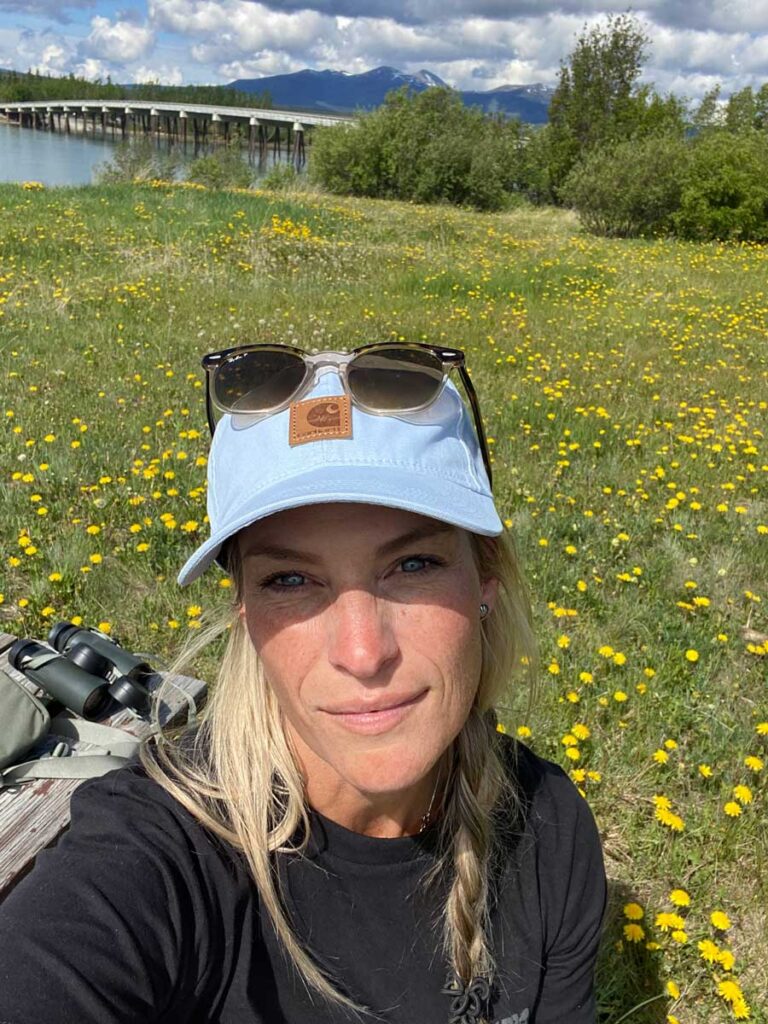
Cara Adrain, MSc., RPBio
Cara is a Registered Professional Biologist with nearly 20 years of experience supporting environmental projects across Canada. Her work focuses on spatial analysis, ecosystem modelling, and cumulative effects, with a strong track record of helping clients understand how land use, development, and environmental values connect over time and space.<br><br>
Cara brings a unique perspective shaped by years of working alongside industry, including mining, construction, and heavy infrastructure – where she’s supported permitting, monitoring, and environmental planning on the ground. Her project experience spans environmental planning and monitoring, including wildlife and habitat management, ecological restoration, water quality, contaminated sites, and land use assessment across industrial and natural landscapes. Cara is known for her calm, clear approach and ability to communicate technical information in ways that support real-world decisions. She brings a steady presence to projects that require trust, collaboration, and care for both people and place.
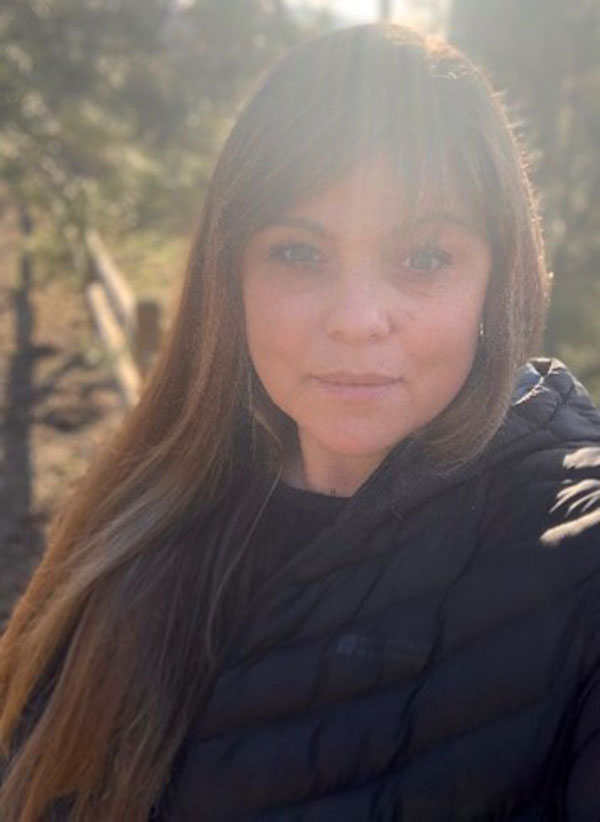
Susanne Adrain-Vincent, BASc.
Suzy is an Environmental Specialist with over 10 years experience in B.C. and Alberta. Her background in natural resource conservation, community engagement, and public education promotes awareness, collective action, and ultimately meaningful change. She works across terrestrial and aquatic disciplines, and specializes in environmental protection, effects assessments, mitigation plans, monitoring programs, regulatory processes, and permitting requirements. Her wilderness upbringing along the banks of the Kettle River lead to a deep appreciation for natural areas.
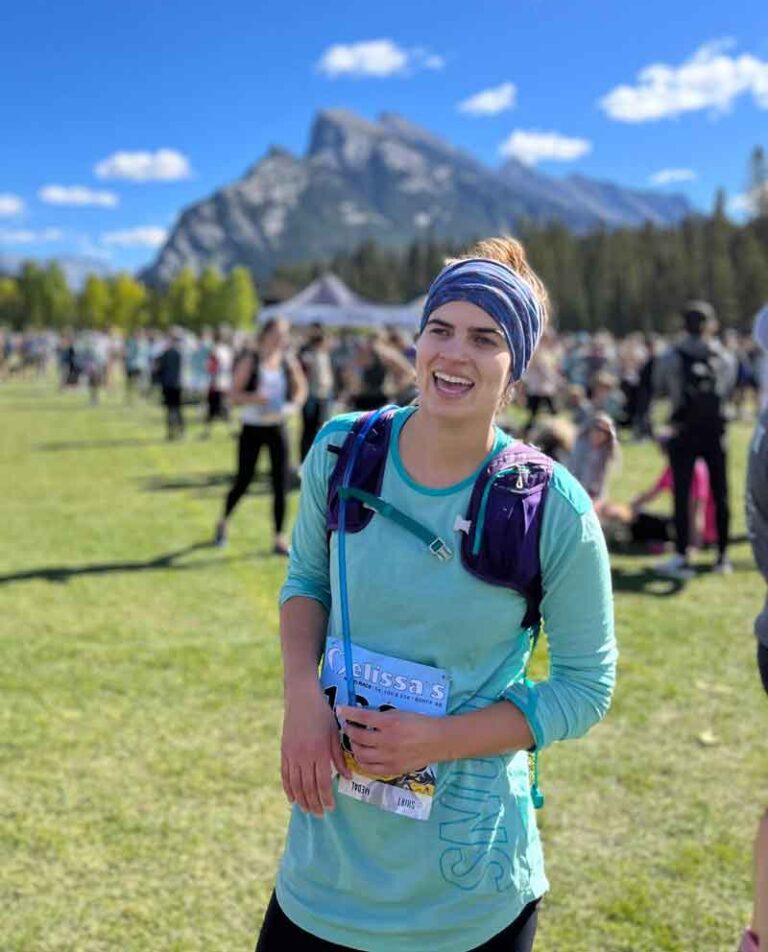
Danica Long, BSc.
Danica is an Intermediate Environmental Specialist with over 5 years experience working throughout B.C. and Alberta. Her background in ecological monitoring, mine reclamation, beneficial waste management and spatial analysis has propelled her to seek tangible solutions for complex socio-ecological challenges. Danica is a skilled learner and leader, working in multidisciplinary environments that require adaptability, creativity, and a passion for positive change. She specializes in vegetation management, terrestrial and aquatic monitoring, technical writing, and spatial data analysis. Brought up along the shores of Kootenay Lake, Danica has always had a deep love for the ecosystems she inhabits.
About Interface Environmental
We are a small team of environmental professionals based in the West Kootenays of British Columbia, supporting work on the land from BC to the Territories. Our work includes field studies, environmental monitoring, sampling, permitting support, mapping, and cumulative effects assessment – helping people understand what is happening on the land and how to move forward with care and responsibility.
We work alongside Indigenous communities, project teams, and agencies in many different settings, where different perspectives and responsibilities come together. Our role is to listen first, share what the science is showing in clear and respectful ways, and support practical paths forward that honour both the land and the people connected to it.
Our experience in the field, in planning, and behind the maps allows us to support decisions that are thoughtful, informed, and grounded in real conditions – whether those decisions happen in planning rooms, on the land, or in conversation with partners.